Dentselfy
Guide

Clear answers to decision-stage questions.

Health-first, explanatory guides for implant, smile design and dental treatment decisions. Featured topics:

Kanal tedavisi

How Many Appointments Does a Root Canal Take?

Most root canal treatments can be completed in one or two appointments. The number of visits may change depending on infection, canal anatomy, previous treatment and the final restoration needed.
Read
Kanal tedavisi

Is Root Canal Treatment Painful?

Root canal treatment is usually performed comfortably under local anaesthesia. Mild tenderness for a few days can be normal, while severe or worsening pain should be assessed.

Read
Kanal tedavisi

What is root canal treatment and why is it done?

Root canal treatment removes inflamed or infected tissue from inside a tooth, cleans and fills the root canal system, and allows the tooth to be restored. Its main purpose is to control infection and preserve the natural tooth whenever possible.

Read
Dolgu bakımı

Why does a tooth hurt after a filling?

Mild sensitivity after a filling is often temporary, but pain when biting, lingering temperature sensitivity or throbbing may require a dental review.

Read
Dolgu bakımı

How Should You Care for a Filled Tooth?

A filled tooth needs twice-daily brushing with fluoride toothpaste, daily interdental cleaning, sensible food choices and regular dental checks. Persistent pain, a high bite, cracking or loss of the filling should be assessed.

Read
Dolgu bakımı

Dental Filling vs. Crown: What Is the Difference?

A filling repairs a limited area of lost tooth structure, while a crown covers the entire visible part of a prepared tooth. The right option depends on how much healthy tooth remains and the clinical findings.

Read
Dolgu bakımı

Should Old Fillings Be Replaced?

An old filling does not need replacement simply because of its age. The decision depends on decay, cracks, open margins, symptoms and the condition of the remaining tooth.

Read
Dolgu bakımı

When Can You Eat After a Dental Filling?

The right time to eat after a filling depends on the filling material, local anaesthetic and your dentist’s instructions. The safest general approach is to wait until numbness has fully worn off and choose a soft, lukewarm first meal.

Read
Dolgu bakımı

How Long Does Sensitivity Last After a Filling?

Minor sensitivity to cold, heat or pressure usually improves within a few days after a filling. Deep restorations may remain sensitive for one to two weeks, but worsening or persistent pain needs dental review.

Read
Dolgu bakımı

What Should You Do If a Filling Falls Out?

A lost filling can leave a tooth vulnerable to sensitivity, food trapping and further fracture. Keep the area clean, avoid chewing on that side and arrange a dental assessment as soon as possible.

Read
Dolgu bakımı

How Long Does a Composite Filling Last?

Composite fillings do not have a fixed expiration date. Many remain functional for years, while their longevity depends on filling size, tooth position, bite forces, oral hygiene, caries risk, and regular dental reviews.

Read
Dolgu bakımı

What are the different types of dental fillings?

Dental fillings may be made from composite resin, amalgam, glass ionomer, ceramic, gold and other materials. The right choice depends on the tooth, the size of the cavity, bite forces, aesthetics and oral conditions.

Read
Dolgu bakımı

What Should You Avoid After a Dental Filling?

After a dental filling, wait for numbness to wear off, protect the restored tooth from unnecessary pressure and monitor your bite. Learn which symptoms are expected and when to contact a dentist.

Read
Çürük oluşumu

What Happens If Tooth Decay Is Left Untreated?

Untreated tooth decay can progress from a small enamel lesion to pain, pulp inflammation, an abscess, fracture, and tooth loss. Early assessment usually allows more conservative care.

Read
Çürük oluşumu

The Role of Fluoride in Preventing Tooth Decay

Fluoride helps enamel resist acid attacks and supports the repair of early mineral loss. Used regularly and in the right amount, it is one of the main tools for lowering cavity risk in children and adults.

Read
Çürük oluşumu

What Causes Cavities Between Teeth?

Cavities between teeth develop when plaque and repeated acid attacks remain on contacting surfaces that toothbrush bristles cannot clean effectively. Interdental cleaning, fluoride and eating frequency are especially important.

Read
Çürük oluşumu

The Relationship Between Tooth Decay and Oral Care

Tooth decay is shaped by plaque control, fluoride exposure, eating frequency, saliva and individual risk—not sugar alone. Consistent oral care can shift this balance toward stronger, healthier teeth.

Read
Çürük oluşumu

Can Early Tooth Decay Be Reversed?

Early tooth decay can often be arrested—and some lost mineral can be restored—when the enamel surface is still intact. A dentist must confirm whether the lesion is non-cavitated and choose a preventive plan based on individual caries risk.

Read
Çürük oluşumu

How can tooth decay be prevented in children?

Preventing tooth decay in children depends on early brushing with fluoride toothpaste, limiting frequent sugar exposure, choosing water, and arranging risk-based dental care.

Read
Çürük oluşumu

What Are the Symptoms of Tooth Decay?

Tooth decay may cause no symptoms at first. As it progresses, sensitivity, toothache, white-brown-black spots, a visible cavity, and pain while chewing may appear.

Read
Çürük oluşumu

Why does tooth decay occur?

Tooth decay begins when plaque bacteria turn sugars and starches into acids that remove minerals from tooth enamel. Risk is shaped not only by how much sugar is consumed, but also by frequency, oral hygiene, saliva flow, fluoride exposure and hard-to-clean tooth surfaces.

Read
Diş ağrısı

What Causes Wisdom Tooth Pain?

Wisdom tooth pain may result from eruption, inflamed gum tissue, impaction, decay or infection. A dental examination and, when needed, an X-ray can identify the underlying cause.

Read
Diş ağrısı

When is a toothache considered an emergency?

A toothache may be an emergency when it comes with difficulty breathing or swallowing, rapidly spreading swelling, uncontrolled bleeding, or serious facial trauma. Severe pain without these signs may still require urgent same-day dental care.

Read
Diş ağrısı

Is tooth pain after a filling normal?

Mild sensitivity after a filling is often temporary, but the pattern and duration of pain matter. Pain on biting, lingering temperature pain, throbbing or swelling should be checked by a dentist.

Read
Diş ağrısı

Common Causes of Toothache in Children

Tooth decay is a leading cause of toothache in children, but infection, dental trauma, teething, gum inflammation, trapped food, orthodontic appliances, and grinding can also cause pain.

Read
Diş ağrısı

The Link Between Toothache and Tooth Decay

Tooth decay may be painless at first. As it moves through enamel into dentin and approaches the pulp, sensitivity, lingering pain, throbbing, or pain when biting may develop.

Read
Diş ağrısı

Temporary Home Relief for Toothache

Home measures can only provide temporary toothache relief. Appropriate pain medicine, soft foods and gentle oral care may help while you wait for an appointment, but the underlying cause still requires dental treatment.

Read
Diş ağrısı

What Does Toothache That Gets Worse at Night Mean?

Tooth pain that intensifies at night may be linked to deep decay, inflammation of the dental pulp, an abscess, a cracked tooth or nighttime grinding. The pain pattern and accompanying symptoms help indicate how urgently it should be assessed.

Read
Diş ağrısı

What Causes Toothache? Common Reasons and Warning Signs

Toothache is commonly caused by decay, inflammation of the dental pulp, an abscess, a cracked tooth, or gum disease. The pattern of pain can offer clues, but a dental examination is needed to identify the cause.

Read
Diş hassasiyeti

How Is Tooth Sensitivity Treated?

Treatment for tooth sensitivity depends on its cause. Learn how desensitizing toothpaste, fluoride, bonding, restorations, gum treatment and, in selected cases, root canal therapy may be used.

Read
Diş hassasiyeti

What to Watch at Home When You Have Sensitive Teeth

Learn which home-care habits may help reduce tooth sensitivity, from gentle brushing and desensitizing toothpaste to limiting acidic drinks. Also find out when sensitivity should be checked by a dentist.

Read
Diş hassasiyeti

What diseases can tooth sensitivity be a sign of?

Tooth sensitivity is not always a harmless reaction to cold food or drinks. It may be associated with decay, gum disease, enamel loss, a cracked tooth, a failing filling, or inflammation inside the tooth.

Read
Diş hassasiyeti

How to Relieve Tooth Sensitivity

Desensitizing toothpaste, gentle brushing and reducing common triggers can help ease tooth sensitivity. Persistent or severe sensitivity should be assessed by a dentist to identify the underlying cause.

Read
Diş hassasiyeti

Why Are Teeth Sensitive to Sweet Foods?

A short, sharp pain when eating sweets may be related to decay, exposed dentin, enamel wear, a crack, or a defective filling. Recurrent symptoms should be evaluated by a dentist.

Read
Diş hassasiyeti

How to Choose Toothpaste for Sensitive Teeth

Choosing toothpaste for sensitive teeth involves more than looking for a “sensitivity” label. Fluoride, a proven desensitizing active ingredient, and a gentle formula are key considerations.

Read
Diş hassasiyeti

Tooth Sensitivity to Cold and Hot Temperatures

A brief sharp response to cold or hot foods often relates to exposed dentin. Pain that lingers, worsens in one tooth or begins spontaneously may indicate decay, a crack or a pulp problem.

Read
Diş hassasiyeti

What Causes Tooth Sensitivity?

Tooth sensitivity often develops when dentin becomes exposed. Gum recession, enamel wear, decay, cracks, worn fillings and whitening treatments are among the common causes.

Read
Diş sararması ve lekeler

Daily Habits for Brighter-Looking Teeth

Maintaining the natural brightness of teeth depends on consistent brushing, interdental cleaning, limiting stain-promoting habits and using whitening products safely. Daily care can reduce new surface stains but cannot remove every deep discoloration.

Read
Diş sararması ve lekeler

Treatment Options for Tooth Stains

Treatment for tooth stains depends on whether the discoloration is on the surface or within the tooth. Options range from professional cleaning and whitening to microabrasion, resin infiltration, bonding, veneers and crowns.

Read
Diş sararması ve lekeler

How can tooth yellowing be prevented?

Tooth yellowing cannot always be stopped completely, but daily habits can reduce surface stains, protect enamel and slow visible colour changes.

Read
Diş sararması ve lekeler

Antibiotic-Related Tooth Discoloration

Some antibiotics, especially older tetracyclines, can cause intrinsic tooth discoloration when taken during tooth development. Minocycline may also rarely darken fully developed teeth and oral tissues.

Read
Diş sararması ve lekeler

What Causes Tooth Discoloration in Children?

White, yellow, brown, black, or grey marks on a child’s teeth may come from surface deposits, decay, trauma, or changes in enamel development. The pattern, timing, and accompanying symptoms help identify the likely cause.

Read
Diş sararması ve lekeler

How smoking stains teeth

Colored residues in tobacco smoke can attach to tooth surfaces and create yellow, brown or darker stains. Their appearance varies with smoking frequency, oral hygiene, tartar buildup and other staining habits.

Read
Diş sararması ve lekeler

How do coffee and tea affect tooth color?

Dark compounds in coffee and tea can gradually create yellow-brown surface stains on teeth. Frequency, contact time and oral hygiene all influence how noticeable the discoloration becomes.

Read
Diş sararması ve lekeler

How do tooth stains form?

Tooth stains can develop when pigments attach to enamel, plaque or tartar, or when color changes within enamel and dentin. Identifying the stain type helps determine appropriate care.

Read
Diş sararması ve lekeler

Why Do Teeth Turn Yellow? Common Causes and What to Do

Teeth can look yellow because of surface stains from food, drinks and tobacco, or because enamel becomes thinner and the naturally yellow dentin shows through. Medication, enamel development, decay and trauma may also change tooth colour.

Read
Diş beyazlatma

What Should You Consider Before Teeth Whitening?

Before whitening, your teeth and gums should be assessed, the cause of discoloration should be identified, and sensitivity risk should be discussed. Fillings, crowns and implant restorations will not change color.

Read
Diş beyazlatma

Do Natural Teeth-Whitening Methods Work?

Natural whitening remedies such as lemon, baking soda, charcoal and oil pulling have limited evidence, and some can damage enamel. The safest option depends on whether the discoloration is a surface stain or a change within the tooth.

Read
Diş beyazlatma

Can dental veneers or crowns be whitened?

Whitening gels lighten natural tooth structure, not veneers, crowns, fillings or other tooth-coloured restorations. Surface stains may improve with professional cleaning, while a lasting shade mismatch may require repair or replacement.

Read
Diş beyazlatma

Teeth Whitening and Tooth Sensitivity

Sensitivity during teeth whitening is usually temporary. Learn why it happens, what may increase the risk, and how whitening can be adjusted more safely.

Read
Diş beyazlatma

What to eat after teeth whitening

A strict white diet is not necessary for most people after teeth whitening. If sensitivity occurs, lukewarm, soft and less acidic foods may feel more comfortable, while long-term stain control depends mainly on habits and oral care.

Read
Diş beyazlatma

How many years does teeth whitening last?

Teeth whitening is not permanent. Depending on the method, daily habits and oral care, visible results commonly last from about six months to three years.

Read
Diş beyazlatma

Are at-home teeth whitening methods safe?

At-home whitening can be safer when it uses a dentist-supervised system or a reputable product exactly as directed. Lemon, vinegar, charcoal, harsh abrasives and non-dental peroxide products can damage teeth and gums.

Read
Diş beyazlatma

How Is In-Office Teeth Whitening Performed?

In-office teeth whitening is a professional procedure performed under a dentist’s supervision. It usually includes an oral examination, gum protection, controlled gel application, and shade assessment.

Read
Diş beyazlatma

Is teeth whitening harmful?

Teeth whitening is generally considered safe when an appropriate product is used correctly. Misuse, overuse, or whitening in the presence of untreated dental problems may cause sensitivity, gum irritation, or worsening discomfort.

Read
Diş beyazlatma

Who is suitable for teeth whitening?

Teeth whitening may suit adults with healthy teeth and gums, discoloration in natural teeth, and realistic expectations. A dental examination is needed to identify the cause of staining and confirm the safest option.

Read
Diş taşı / tartar

How should you care for your teeth after tartar removal?

Mild sensitivity and gum tenderness can occur after professional tartar removal. Gentle brushing, daily interdental cleaning and following your dentist’s instructions support healing and help slow new calculus buildup.

Read
Diş taşı / tartar

Smoking and Tartar Buildup

Smoking is associated with heavier tartar deposits and a higher risk of gum disease. Daily plaque control, professional cleaning, and stopping tobacco use all support better oral health.

Read
Diş taşı / tartar

Can You Remove Tartar at Home?

Hardened tartar cannot be removed safely at home. Home care can reduce plaque and slow new buildup, but existing calculus requires professional dental cleaning.

Read
Diş taşı / tartar

Tooth sensitivity after tartar removal

Mild sensitivity to cold, heat or touch can occur after tartar removal. Learn why it happens, how long it may last, what can help and when a dental review is needed.

Read
Diş taşı / tartar

How Can You Prevent Dental Tartar Buildup?

Tartar cannot always be prevented completely, but removing plaque every day, cleaning between the teeth and attending professional check-ups can significantly reduce buildup.

Read
Diş taşı / tartar

The Link Between Tartar and Gum Disease

Tartar forms when dental plaque hardens on the teeth and can make bacterial buildup along the gumline easier. Daily plaque control and professional cleaning help reduce the risk of gingivitis and the progression of periodontal disease.

Read
Diş taşı / tartar

How Often Should Tartar Be Professionally Removed?

There is no single cleaning interval that suits everyone. The right timing depends on gum health, the rate of calculus buildup, daily plaque control, smoking, medical risks and any history of periodontal disease.

Read
Diş taşı / tartar

How Is Tartar Removed During a Dental Cleaning?

Tartar removal is a professional procedure in which hardened plaque is detached from tooth surfaces using ultrasonic and hand instruments. The depth of cleaning depends on whether deposits remain above the gumline or extend into periodontal pockets.

Read
Diş taşı / tartar

Is Tartar Removal Harmful?

Professional tartar removal is generally not harmful when it is clinically indicated and performed with suitable instruments and technique. Temporary sensitivity or mild gum discomfort may occur.

Read
Diş taşı / tartar

What Is Tartar and Why Does It Form?

Tartar, also called dental calculus, forms when plaque is not removed and becomes hardened by minerals in saliva. Once mineralized, it cannot be fully removed with regular brushing and requires professional cleaning.

Read
Diş eti kanaması

What Treatments Are Used for Bleeding Gums?

Treatment for bleeding gums depends on the cause and the severity of gum disease. Options may range from improving daily oral care and professional cleaning to deep periodontal cleaning, ongoing maintenance, and advanced procedures.

Read
Diş eti kanaması

What to Watch at Home When Your Gums Bleed

Home care for bleeding gums should focus on gentle plaque removal rather than hiding the bleeding temporarily. Recurrent, heavy, painful, or unexplained bleeding needs professional assessment.

Read
Diş eti kanaması

What Causes Bleeding Gums in Children?

Bleeding gums in children are often linked to plaque-related gingivitis or an unsuitable brushing technique. Recurrent bleeding, pain, swelling, or bleeding elsewhere should be assessed by a dental professional.

Read
Diş eti kanaması

When Should Bleeding Gums Be Taken Seriously?

A single episode of minor gum bleeding may follow local irritation, but repeated, spontaneous or heavy bleeding deserves attention. Learn which signs call for a dental visit, medical review or emergency care.

Read
Diş eti kanaması

The Link Between Tartar and Bleeding Gums

Tartar can encourage plaque retention around the gumline, increasing inflammation and bleeding. Because hardened tartar cannot be removed by brushing, professional cleaning may be needed.

Read
Diş eti kanaması

Bleeding gums during pregnancy

Hormonal changes during pregnancy can make the gums more reactive to plaque, causing redness, swelling, and bleeding. Gentle daily oral care and a dental check-up usually help manage the condition.

Read
Diş eti kanaması

How can bleeding gums be stopped?

The right way to stop gum bleeding depends on its cause. Mild bleeding during brushing calls for gentle, consistent oral care, while active bleeding after an injury may require firm pressure with clean gauze.

Read
Diş eti kanaması

Is It Normal for Gums to Bleed While Brushing?

Repeated gum bleeding during brushing is not considered a sign of healthy gums. Plaque-related gingivitis is the most common cause, although aggressive brushing can also irritate the tissue.

Read
Diş eti kanaması

Why Do Gums Bleed?

Bleeding gums are most often caused by plaque-related gum inflammation. Aggressive brushing, hormonal changes, certain health conditions, and some medicines may also contribute.

Read
Diş eti çekilmesi

Can Receding Gums Grow Back?

Receding gums usually do not grow back to their original level on their own. Progression can often be stopped, exposed roots protected, and suitable defects covered with gum-graft procedures.

Read
Diş eti çekilmesi

The Link Between Gum Recession and Aging

Gum recession becomes more common with age, but it is not an unavoidable part of getting older. Cumulative plaque exposure, periodontal disease, traumatic brushing, smoking, dry mouth, and difficulty with daily care can all contribute.

Read
Diş eti çekilmesi

How can gum recession be prevented?

Gum recession cannot always be prevented, but gentle brushing, daily interdental cleaning, early treatment of gum disease and regular dental reviews can reduce modifiable risks.

Read
Diş eti çekilmesi

What Is Gum Graft Treatment for Gum Recession?

A gum graft is periodontal surgery used to protect an exposed tooth root and reinforce thin gum tissue. The most suitable technique depends on the cause and pattern of recession, tissue quality and supporting bone.

Read
Diş eti çekilmesi

Treatment options for gum recession

Treatment for gum recession depends on its cause, risk of progression, sensitivity, root condition and cosmetic concerns. Some cases only need improved home care and monitoring, while others may require periodontal therapy, restoration or gum grafting.

Read
Diş eti çekilmesi

Gum Recession and Tooth Sensitivity

Gum recession can expose the tooth root and trigger sensitivity to cold, heat, sweets, acids, or touch. Identifying the cause is important for controlling symptoms and preventing further tissue loss.

Read
Diş eti çekilmesi

Can brushing too hard cause gum recession?

Using a hard-bristled toothbrush or applying excessive pressure can repeatedly injure the gum margin and contribute to recession, especially when the gum tissue is naturally thin.

Read
Diş eti çekilmesi

Can gum recession be stopped?

The progression of gum recession can often be stopped or slowed when its cause is identified and controlled. Tissue that has already been lost usually does not grow back on its own.

Read
Diş eti çekilmesi

What Are the Symptoms of Gum Recession?

Teeth that look longer, visible root surfaces and sensitivity to hot or cold are common signs of gum recession. Early dental assessment can help identify the cause and reduce the risk of progression.

Read
Diş eti çekilmesi

What Causes Gum Recession?

Gum recession can develop because of periodontal disease, forceful brushing, thin gum tissue, tooth position, or repeated local trauma. Identifying the cause is essential for protecting exposed roots and preventing progression.

Read
Diş eti sağlığı

Why Regular Check-Ups Matter for Gum Health

Regular dental check-ups can help identify early gum changes, assess personal risk factors, and create a preventive care plan before problems become more advanced.

Read
Diş eti sağlığı

How is gum disease treated?

Gum treatment may include oral-hygiene coaching, professional cleaning, cleaning below the gumline, surgery when necessary, and long-term periodontal maintenance.

Read
Diş eti sağlığı

Can Gum Disease Cause Tooth Loss?

Advanced gum disease can damage the bone and tissues that support the teeth, allowing teeth to loosen and eventually be lost. Early diagnosis and ongoing periodontal care can greatly reduce this risk.

Read
Diş eti sağlığı

Nutrition Tips for Healthy Gums

A balanced diet, adequate hydration, and reducing the frequency of sugary foods and drinks can support gum health. Nutrition, however, cannot replace daily plaque removal or professional dental care.

Read
Diş eti sağlığı

The Connection Between Gum Health and Overall Health

Gum health is part of overall health. Periodontal disease is associated with conditions such as diabetes and cardiovascular disease, although association does not always mean direct causation.

Read
Diş eti sağlığı

Why are gum diseases important?

Gum disease is more than bleeding or bad breath. If it progresses, it can damage the tissues supporting the teeth, contribute to tooth loss, and reduce quality of life.

Read
Diş eti sağlığı

What Are the Symptoms of Gingivitis?

Gingivitis commonly causes bleeding, red, swollen or tender gums. Recognizing these early signs can help prevent gum disease from progressing.

Read
Diş eti sağlığı

How Can You Keep Your Gums Healthy?

Healthy gums depend on gentle brushing, daily interdental cleaning, avoiding tobacco, and dental check-ups tailored to your personal risk.

Read
Diş fırçalama

How to Build Your Baby’s First Toothbrushing Routine

Start brushing as soon as your baby’s first tooth appears, using a soft infant toothbrush and a rice-grain-sized smear of fluoride toothpaste. A calm, consistent routine helps brushing become a normal part of daily care.

Read
Ağız kokusu

What Can Persistent Bad Breath Be a Sign Of?

Persistent bad breath is most often linked to gum disease, tongue coating, tooth decay or dry mouth. Less commonly, nasal and throat problems, reflux, medicines or wider health conditions may need assessment.

Read
Ağız kokusu

Which Doctor Should You See for Bad Breath?

A dentist is usually the best first professional to see for persistent bad breath. If no oral cause is found, a primary care doctor, ENT specialist or another clinician may be appropriate.

Read
Ağız kokusu

What Causes Bad Breath in Children?

Bad breath in children is often linked to bacteria on the tongue and teeth, tooth decay, dry mouth, or mouth breathing. Persistent odor or additional symptoms should be assessed by a dentist or pediatric clinician.

Read
Ağız kokusu

How Diet Affects Bad Breath

Food and drink can affect breath temporarily and indirectly. Learn how strong-smelling foods, frequent sugar, fasting and low fluid intake may contribute.

Read
Ağız kokusu

The Link Between Bad Breath and Gum Disease

Persistent bad breath may sometimes be linked to gingivitis or periodontitis. Learn how gum inflammation, plaque and periodontal pockets can contribute to odor and when to see a dentist.

Read
Ağız kokusu

What Causes Bad Breath?

Bad breath is often linked to bacteria on the teeth, gums, tongue, dry mouth, cavities, gum disease, diet, smoking, reflux, or nose and throat issues. If it persists, a dental check-up can help identify the real cause.

Read
Diş ipi kullanımı

Common Mistakes When Using Dental Floss

Dental floss can help clean the areas a toothbrush cannot reach, but technique matters. Pressing too hard, skipping the tooth surface, or stopping because of bleeding can reduce its benefit.

Read
Diş ipi kullanımı

Does water cleaning (oral irrigator) replace dental floss?

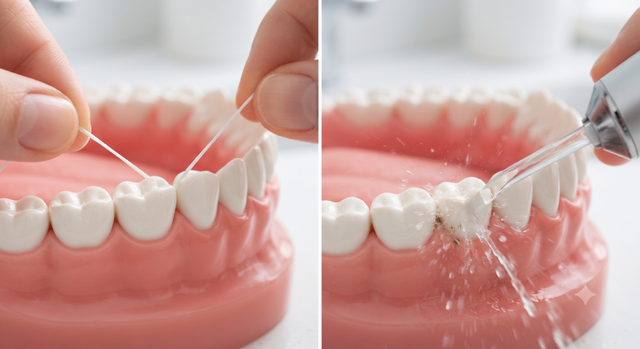
An oral irrigator can support interdental cleaning by flushing food particles and soft debris, but it may not fully replace dental floss for everyone. The right choice depends on tooth spacing, gum health, braces, implants, bridges, and personal dexterity.

Read
Diş ipi kullanımı

Bleeding Gums When Using Dental Floss

Bleeding while flossing does not always mean floss is harmful. This guide explains common causes, safer technique, and when a dental check-up is needed.

Read
Diş ipi kullanımı

How to Build a Flossing Habit in Children

A flossing habit in children can begin when two teeth start touching and a toothbrush can no longer clean between them well. The goal is a calm, parent-guided routine rather than perfect technique from the child.

Read
Diş ipi kullanımı

Cleaning Under a Dental Bridge and Using Floss

Cleaning under a dental bridge often requires more than regular floss. This guide explains how floss threaders, super floss, interdental brushes and water flossers can support safer bridge care.

Read
Diş ipi kullanımı

How to Floss With Braces

Flossing with braces is possible and often important, but it usually requires a slightly different technique. Floss threaders, orthodontic floss, interdental brushes and water flossers can make daily cleaning easier.

Read
Diş ipi kullanımı

Dental Floss or Interdental Brush: Which Should You Use?

Dental floss and interdental brushes both clean the spaces a toothbrush cannot reach. The better choice depends on how tight your teeth are, your gum condition, and whether you have braces, bridges, implants, or wider spaces.

Read
Diş ipi kullanımı

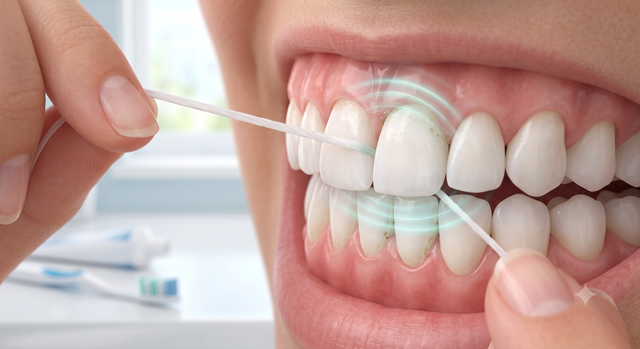
How to Use Dental Floss Correctly

Dental floss helps clean the tight spaces a toothbrush cannot fully reach. Using a gentle C-shape technique supports

Read
Diş ipi kullanımı

Why is dental floss important?

Dental floss helps clean plaque and food debris from areas a toothbrush may not fully reach. Used correctly, it supports gum health and helps control the risk of cavities between teeth.

Read
Diş fırçalama

The Most Common Tooth Brushing Mistakes

Common tooth brushing mistakes can contribute to gum irritation, plaque buildup and enamel wear. Learn how to brush more safely with the right technique and brush choice.

Read
Diş fırçalama

How to Choose the Right Toothbrush

Choosing the right toothbrush depends on soft bristles, a comfortable head size and your individual oral needs. This guide compares manual and electric options in a safe, practical way.

Read
Diş fırçalama

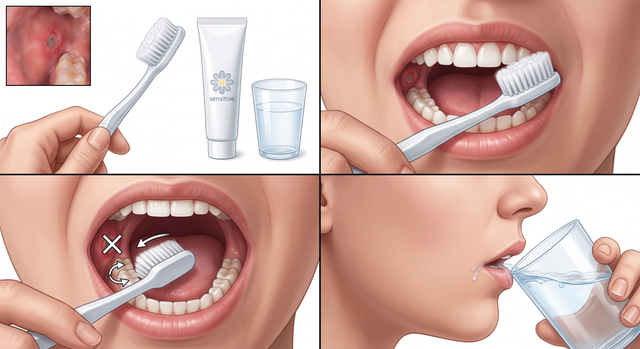
How to Brush Your Teeth When You Have a Mouth Sore

Brushing should usually continue when you have a mouth sore, but it needs to be gentler. A soft toothbrush, light pressure and careful toothpaste choice can help protect oral hygiene without adding irritation.

Read
Diş fırçalama

How to Brush Your Teeth After Zirconia Crowns

After zirconia crowns, brushing should be gentle, regular and focused on the gumline and crown margins. A soft toothbrush, fluoride toothpaste and daily interdental cleaning help protect the natural tooth and gums around the crown.

Read
Diş fırçalama

How Should Children Brush Their Teeth?

Children’s tooth brushing should begin as soon as the first tooth appears, using a soft brush, a careful amount of fluoride toothpaste, and parent support.

Read