
How can gum recession be prevented?
Gum recession cannot always be prevented, but gentle brushing, daily interdental cleaning, early treatment of gum disease and regular dental reviews can reduce modifiable risks.
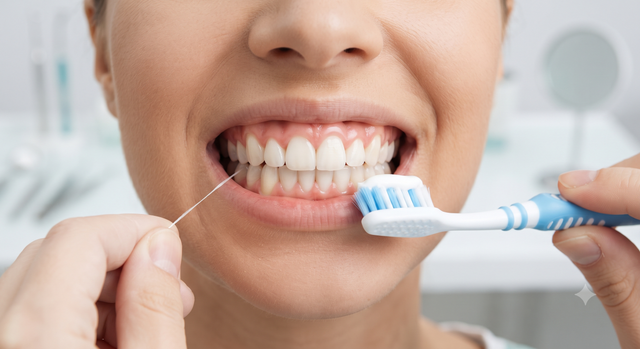
To help prevent gum recession, brush twice daily with fluoride toothpaste and a soft-bristled brush without excessive pressure, clean between the teeth every day, treat gum disease early and attend regular dental check-ups. Some cases cannot be fully prevented because anatomy also affects risk.
How can gum recession be prevented?
Gum recession cannot always be prevented because gum thickness, tooth position and bone anatomy vary between people. However, using a soft-bristled brush without excessive pressure, cleaning between the teeth every day, treating gum disease early and attending regular dental reviews can reduce the risk. The goal is to remove plaque effectively while avoiding repeated trauma to the gumline.
Direct answer
Preventing gum recession requires a balance between good plaque control and gentle technique. Inadequate cleaning allows gum inflammation to develop, while forceful or incorrect brushing may injure the gum margin. Consistent, careful care is more protective than aggressive scrubbing.
What causes gum recession?
Gum recession means that the gum margin has moved toward the root, exposing more of the tooth. It is often influenced by several factors rather than one cause:
- Forceful horizontal toothbrushing
- Plaque and calculus associated with periodontal disease
- Naturally thin gum and bone tissue
- Tooth position within the jaw
- Unfavourable orthodontic movement in susceptible tissue
- Repeated rubbing from lip or tongue jewellery
- Pressure from poorly fitting dental appliances
- Smoking and other tobacco exposure
Some risks can be changed, while others need monitoring and individual planning.
1. Choose a soft-bristled toothbrush
Hard bristles do not necessarily clean better. When combined with heavy pressure, they may contribute to wear at the gumline and exposed root surfaces.
If the bristles quickly spread sideways, you may be brushing too hard. Place the brush at roughly a 45-degree angle toward the gumline and use small, gentle movements.
2. Brush twice daily without pressing hard
Brush twice a day with fluoride toothpaste to control plaque. Avoid pressing until the gums blanch or scrubbing one area repeatedly with long side-to-side strokes.
More force does not mean more plaque removal. Plaque is a soft film and can be disrupted with a gentle, accurate technique.
3. Clean between the teeth every day
A toothbrush cannot fully reach the surfaces where teeth touch. Plaque left in these areas may contribute to gum inflammation.
Depending on the space, suitable options may include dental floss, interdental brushes or another device recommended by a dental professional. Do not force an interdental brush through a tight space, because an unsuitable size can irritate the tissue.
4. Do not ignore bleeding gums
Bleeding, redness, swelling or persistent bad breath may indicate gum inflammation. Stopping all cleaning when bleeding occurs can allow more plaque to build up.
Continue gentle care and arrange a dental assessment if bleeding persists. Treating inflammation early can help prevent deeper periodontal tissue and bone damage.
5. Attend regular dental examinations
Recession may progress slowly and can be difficult to notice. During an examination, the dentist can compare gum levels, measure periodontal pockets and assess plaque and calculus.
The ideal recall interval is individual. People with a history of gum disease, smoking, diabetes, orthodontic treatment or very thin gum tissue may need more frequent monitoring.
6. Have professional cleaning when recommended
Calculus cannot be removed with a toothbrush at home and may allow inflammation to persist. Professional cleaning helps remove deposits and gives an opportunity to improve daily technique.
Cleaning frequency should be based on risk and examination findings rather than one fixed schedule for everyone.
7. Avoid smoking and tobacco
Tobacco use increases the risk of periodontal disease and may impair healing. Smoking can also mask early signs such as bleeding, allowing disease to progress with fewer obvious warnings.
Stopping tobacco is an important step for gum health. A doctor, dentist or cessation service can support the process.
8. Monitor orthodontic treatment and oral appliances
Moving teeth toward the limits of the surrounding bone may influence recession risk in a person with thin tissue. Gum condition should therefore be assessed before and during orthodontic treatment.
Dentures, retainers, night guards or other appliances that repeatedly press on the gum should be adjusted professionally. Do not file or reshape them at home.
Can an electric toothbrush be used?
Yes. A model with a pressure sensor may help someone who tends to brush too hard. However, powered movement does not make technique irrelevant.
Guide the head slowly from tooth to tooth and avoid adding extra force. A dental professional can recommend a suitable head and setting for an area with existing recession.
Does diet prevent gum recession?
A balanced diet supports general oral health, but no single vitamin, food or herbal product can prevent gum recession. Limiting frequent sugary foods and drinks can support plaque control.
Avoid rubbing oils, powders, acidic mixtures or abrasive products onto the gums. Home remedies marketed as a way to regrow gum tissue may irritate the area and do not replace professional care.
What should you do if recession has already started?
Established recession usually does not move back to its original position through home care alone. The first goal is to identify the cause and reduce further progression.
A dentist may consider correcting brushing technique, controlling plaque and calculus, using protective products for sensitivity, adjusting a restoration or appliance, assessing orthodontic factors and considering gum grafting in suitable cases.
When should you see a dentist?
Arrange an examination if you notice:
- A visible root surface
- A tooth appearing longer
- Persistent sensitivity to cold, heat or sweetness
- Repeated or ongoing gum bleeding
- Swelling, pain, discharge or an unpleasant taste
- Tooth mobility
- Recession that becomes noticeably worse over a short period
Early assessment may help prevent further tissue damage.
How does Dentselfy approach this process?
An oral photograph may help identify visible changes at the gumline and organise an initial assessment. It cannot accurately show bone levels, pocket depth, tissue thickness or the full cause of recession.
Dentselfy's photo-based preliminary assessment may support referral and consultation planning. A face-to-face examination by a dentist or periodontist is required for diagnosis and treatment decisions.
Key points
- Gentle but effective plaque control is central to prevention.
- Avoid hard bristles and excessive brushing pressure.
- Clean between the teeth daily.
- Have bleeding or swollen gums assessed early.
- Regular reviews can reveal changes that are otherwise easy to miss.
- Existing recession needs professional evaluation.
Frequently asked questions
Can gum recession always be prevented?
No. Anatomy creates unavoidable risk for some people, but correct care and early treatment can reduce modifiable factors.
Which toothbrush should I use?
A soft-bristled brush of a suitable size is generally preferred. Technique and pressure are more important than the brand.
Should bleeding gums still be brushed?
Usually, continue gentle cleaning. Persistent or recurrent bleeding needs dental assessment.
Does scaling make recession worse?
After calculus is removed, recession that was previously hidden may become more visible. Appropriately performed professional cleaning is important for controlling gum disease.
Can receding gums grow back?
They generally do not return naturally to their previous level. Progression can often be controlled, and surgical options may be considered when appropriate.
Related questions
- Can aggressive brushing cause recession?
- Is an electric toothbrush safe?
- How is early recession recognised?
- When is gum grafting needed?
- How can root sensitivity be managed?
Medical information note
This article provides general information. The cause, progression risk and treatment of gum recession can only be determined through clinical and periodontal examination.
Key takeaways
- Use a soft-bristled toothbrush and avoid excessive pressure at the gumline.
- Brush twice daily with fluoride toothpaste.
- Clean between the teeth every day with an appropriate method.
- Have persistent bleeding, swelling or bad breath assessed early.
- Avoiding tobacco supports periodontal health.
Frequently asked questions
- Can gum recession be completely prevented?
- Not in every case. Thin gum tissue, tooth position and other anatomical features may increase risk. Gentle oral care, control of inflammation and regular assessment can still reduce many modifiable risks.
- Is using a soft toothbrush enough?
- A soft brush helps, but technique matters just as much. Avoid pressing hard, use small controlled movements and clean the gumline gently.
- Does an electric toothbrush prevent gum recession?
- A pressure-sensing electric brush may help people who tend to press too hard. It can still cause trauma if used incorrectly, so technique remains important.
- Should I stop brushing if my gums bleed?
- Completely stopping is usually not advised. Continue gentle cleaning and arrange a dental assessment if bleeding persists or returns.
- Can professional cleaning prevent recession?
- Professional cleaning helps control plaque and calculus associated with inflammation. Other causes, such as traumatic brushing or anatomy, also need separate management.
- Can early recession be reversed at home?
- Lost gum tissue usually does not return to its former position through home care alone. Good care may slow progression, but established recession should be assessed professionally.