
Dry Mouth and Bad Breath: What Is the Connection?
Dry mouth can contribute to bad breath by reducing saliva’s cleansing and protective effects. Learn the common causes, safe ways to ease symptoms, and when to seek dental advice.
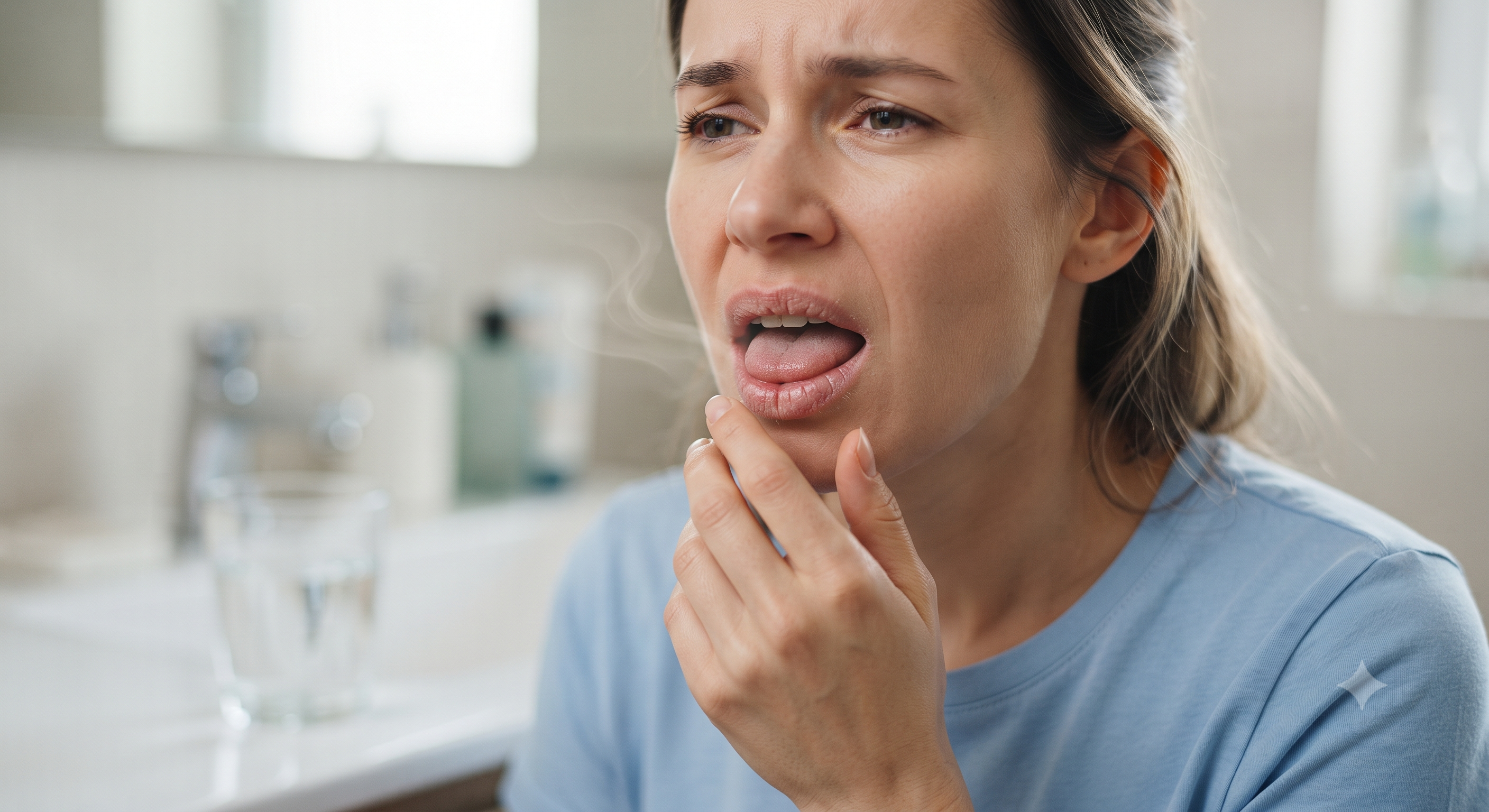
Yes. Dry mouth can worsen bad breath because reduced saliva makes it harder to wash away food debris and control odor-producing bacteria. Persistent symptoms should be assessed by a dentist to identify the cause.
Dry Mouth and Bad Breath: What Is the Connection?
Dry mouth can be an important contributor to bad breath. Saliva does more than keep the mouth wet: it helps wash away food particles, buffers acids, protects oral tissues, and limits the buildup of odor-producing bacteria. When saliva flow falls, debris may collect more easily on the tongue, between the teeth, and around the gumline. Breath odor can then become more noticeable, especially in the morning or after long periods without eating, drinking, or speaking.
Direct Answer
There is a clear connection between dry mouth and bad breath, but persistent breath odor should not automatically be blamed on dehydration. Gum disease, tooth decay, a coated tongue, mouth breathing, medicines, and certain health conditions may contribute at the same time. When the problem continues, it is better to identify the cause than to repeatedly cover the smell with mints or sprays.
How Does Saliva Influence Breath?
Saliva is part of the mouth’s natural defense system. It continuously moistens the teeth, tongue, gums, and other soft tissues. It also helps neutralize acids and supports a healthier balance of microorganisms.
When saliva flow is reduced:
- food particles may remain in the mouth for longer,
- the coating on the back of the tongue may become thicker,
- the mouth may feel sticky, sore, or burning,
- the risk of tooth decay and oral fungal infection may increase,
- volatile odor compounds may become more concentrated.
For this reason, someone with dry mouth may notice recurring bad breath even when they brush regularly.
Common Causes of Dry Mouth
Not drinking enough fluid
Hot weather, heavy exercise, fever, vomiting, diarrhea, or simply drinking too little can cause temporary dryness. Symptoms often improve once hydration is restored.
Mouth breathing during sleep
A blocked nose, snoring, or sleeping with the mouth open can cause pronounced morning dryness and bad breath. If this happens often, the reason for mouth breathing may need separate assessment.
Medicines
Many medicines can reduce saliva, including some used for allergies, depression, blood pressure, pain, asthma, and bladder symptoms. Never stop a prescribed medicine without professional advice. A dentist and the prescribing clinician can help review options when dryness begins after a medication change.
Stress and anxiety
Temporary dry mouth is common during stress. This is one reason breath may feel worse during an examination, interview, presentation, or anxious period.
Tobacco, alcohol, and excess caffeine
Tobacco can irritate oral tissues and add to unpleasant odor. Alcohol and large amounts of caffeine may make dryness more noticeable in some people. Alcohol-containing mouthwash may also feel drying.
Health conditions
Salivary gland disorders, diabetes, Sjögren disease, and other conditions can be associated with dry mouth. Dry mouth alone does not diagnose any of them. Medical advice becomes more important when dryness occurs with very dry eyes, excessive thirst, frequent urination, salivary gland swelling, or other ongoing symptoms.
Practical Ways to Ease Dry Mouth and Breath Odor
Sip water regularly
Small, frequent sips throughout the day may feel more helpful than drinking a large amount at once. Keeping water by the bed can help when symptoms are worse at night.
Clean the whole mouth
Brush twice daily with fluoride toothpaste. Clean between the teeth with floss or an appropriately sized interdental brush. Gently cleaning the back of the tongue can reduce the bacterial coating linked to odor.
Consider sugar-free gum or lozenges
Chewing sugar-free gum can stimulate saliva when the glands are still responsive. Frequent sugary sweets, by contrast, can increase decay risk. Dry-mouth gels, sprays, and saliva substitutes may help some people; a dentist or pharmacist can advise on a suitable product.
Limit products that feel drying
Alcohol-containing mouthwash, heavily salted foods, and excess caffeine can worsen dryness for some people. An alcohol-free mouthwash may be a more comfortable option, but it should not replace mechanical cleaning.
Review the sleeping environment and breathing
Very dry indoor air can worsen symptoms. Ongoing nasal blockage, loud snoring, or regular mouth breathing should be discussed with an appropriate clinician.
What Should You Avoid?
Strong mints, flavored sprays, and mouthwash may cover odor for a short time without treating the cause. Frequently sucking sugar-containing sweets can raise the risk of decay. Aggressive tongue scraping can irritate the tongue. Most importantly, do not stop a medicine because you suspect it is causing dryness without discussing it with the clinician who prescribed it.
When Should You See a Dentist?
Professional assessment is advisable when:
- dry mouth or bad breath lasts for several weeks,
- the gums bleed, swell, or feel tender,
- new cavities are developing frequently,
- there is burning, soreness, a white coating, ulcers, or an unusual taste,
- speaking, chewing, or swallowing becomes difficult,
- a salivary gland feels painful or swollen,
- dryness occurs with excessive thirst, frequent urination, or marked dry eyes.
A dentist can examine the teeth, gums, tongue, oral tissues, saliva flow, and oral care routine. When needed, they may recommend medical evaluation.
How Is This Considered at Dentselfy?
Oral photographs shared through Dentselfy may help organize visible information about the teeth, gums, and tongue during an initial review. However, a photograph cannot determine the cause of dry mouth. Saliva flow, medicines, general health history, and an in-person examination remain important. The aim is to reduce uncertainty, support a personalized preliminary assessment, and guide users toward dentist-led care when appropriate.
Key Points
- Reduced saliva can make breath odor more noticeable by weakening the mouth’s natural cleansing effect.
- Water, tongue cleaning, fluoride toothpaste, and interdental care are useful first steps.
- Persistent odor may involve gum disease, decay, medicines, or mouth breathing.
- Prescribed medicines should not be stopped without medical advice.
- Long-lasting dryness or additional symptoms require professional assessment.
Frequently Asked Questions
Why is dry-mouth breath worse in the morning?
Saliva production naturally falls during sleep. Sleeping with the mouth open or snoring can increase evaporation and allow odor-producing bacteria to become more active.
Does tongue cleaning really help?
The back of the tongue is a common site for odor-producing bacteria and debris. Gentle, regular cleaning may reduce this buildup and improve breath for many people.
Is bad breath always caused by the stomach?
No. Most persistent bad breath is linked to the mouth. The teeth, gums, tongue, oral hygiene, and saliva should usually be assessed first.
Does dry mouth increase the risk of cavities?
Yes. With less saliva, acids are neutralized less effectively and tooth surfaces are not cleansed as well. Decay may develop more easily, including around fillings and exposed root surfaces.
Related Questions
- How can morning breath be reduced?
- Which toothpaste is best for dry mouth?
- How does tongue coating affect breath?
- Can gum disease cause bad breath?
- How can you tell whether you breathe through your mouth at night?
- How much can sugar-free gum stimulate saliva?
Medical Information Note
This content is for general education. The cause of dry mouth and bad breath varies from person to person. A dental examination and, when needed, medical assessment are required for an accurate evaluation.
Key takeaways
- Saliva helps cleanse the mouth, neutralize acids, and maintain a balanced oral environment.
- Dry mouth may be temporary or related to medication, mouth breathing, dehydration, or a health condition.
- Regular water intake, sugar-free gum, tongue cleaning, and interdental care may help.
- Alcohol-containing mouthwash and frequent sugary lozenges may worsen dryness or decay risk.
- Persistent bad breath should be investigated rather than repeatedly masked.
Frequently asked questions
- Does dry mouth directly cause bad breath?
- Not everyone with dry mouth develops bad breath, but reduced saliva allows food debris and odor-producing bacteria to remain in the mouth more easily. This can make breath odor more noticeable.
- Will drinking water completely stop bad breath?
- Water can temporarily relieve dryness and help rinse the mouth. If the underlying cause is gum disease, tooth decay, tongue coating, or another condition, water alone will not solve it.
- Is sugar-free gum helpful for dry mouth?
- Chewing can stimulate saliva in people whose salivary glands still respond. Choose sugar-free gum. People with jaw joint problems or specific medical needs should ask a dentist for advice.
- Should I use mouthwash?
- Some mouthwashes provide temporary freshness. Alcohol-free products may be more comfortable for people with dry mouth. Mouthwash does not replace brushing, tongue cleaning, or interdental care.
- Can medicines cause dry mouth?
- Yes. Many medicines can reduce saliva. Do not stop or change a prescribed medicine on your own; speak with the prescribing clinician and your dentist.
- When should I see a dentist?
- Arrange an assessment if dryness or bad breath lasts for several weeks, or if you also have bleeding gums, pain, mouth sores, white patches, swelling, frequent decay, or difficulty swallowing.