
When Can You Eat After a Dental Filling?
The right time to eat after a filling depends on the filling material, local anaesthetic and your dentist’s instructions. The safest general approach is to wait until numbness has fully worn off and choose a soft, lukewarm first meal.
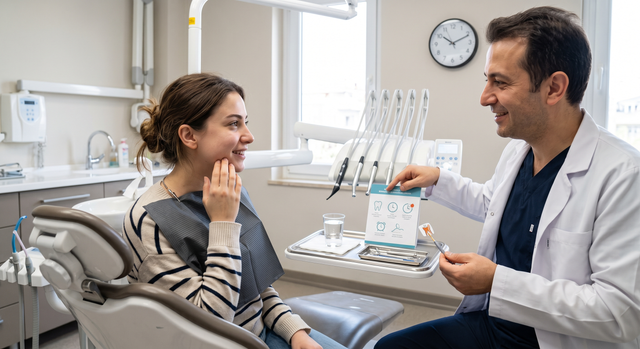
The safest time to eat after a dental filling is when local anaesthetic numbness has completely worn off. Light-cured composite fillings are hardened during the appointment, but eating while numb can lead to accidental biting or burns. Amalgam and temporary fillings may require a longer, material-specific waiting period, so follow your dentist’s instructions.
When Can You Eat After a Dental Filling?
The safest time to eat after a dental filling is when the numbness in your mouth has completely worn off. A light-cured white composite filling is hardened by the end of the appointment, but eating while your lip, cheek or tongue is still numb increases the risk of accidental biting or burns. If you received an amalgam or temporary filling, you may need to wait longer. Your dentist’s material-specific instructions should always take priority over general advice.
Direct Answer
If local anaesthetic was used, wait until normal sensation has returned before chewing. This can take a few hours and varies from person to person. If there is no numbness and your dentist has not given an additional restriction, a soft, lukewarm meal may usually be eaten soon after a composite filling. Amalgam and temporary restorations may need a longer protection period.
What Determines When You Can Eat?
1. Local anaesthetic and numbness
The filling may be ready, while the surrounding soft tissues are not. Numbness makes it difficult to judge chewing pressure and temperature. You may bite the inside of your cheek, lip or tongue without noticing, or burn your mouth with a hot drink.
If you need water while numb, take small sips and avoid very hot liquids. Extra supervision is useful for children because they may chew or pull at a numb lip out of curiosity.
2. The filling material
Composite fillings are commonly hardened with a curing light. This means the material has set by the time treatment ends. Even so, choosing a gentle first meal may be more comfortable, especially if the tooth feels sensitive.
Amalgam develops much of its mechanical strength during the first hours and first day. Depending on the product and the restoration, your dentist may tell you not to chew on the treated tooth for a set time or to take care for up to 24 hours.
A temporary filling protects a tooth until the next treatment stage. It may not tolerate sticky or hard foods as well as a permanent restoration. Chewing gum, caramel, hard sweets, ice and hard nuts can pull at or fracture the material.
3. The size and depth of the restoration
A small surface filling may feel different from a deep or extensive restoration. If decay was close to the nerve or a large chewing surface was rebuilt, temporary sensitivity may be more noticeable. Starting with softer food and avoiding heavy pressure on the treated side can help.
What Is Best for the First Meal?
Choose food that is lukewarm, soft and easy to chew. Options include yoghurt, eggs, soft pasta, mashed vegetables, lukewarm soup and well-cooked vegetables. Check the temperature carefully, particularly if one side of your mouth is still recovering sensation.
During the first meals, consider limiting:
- Hard nuts, ice and hard sweets
- Chewing gum, caramel and sticky confectionery
- Very hot or very cold food and drinks
- Foods that require prolonged, forceful chewing
- Highly acidic or sugary products if they trigger sensitivity
These are usually short-term precautions rather than permanent restrictions. The aim is to protect the restored tooth from unnecessary force and make eating more comfortable.
Which Side Should You Chew On?
After numbness has resolved, chewing on the opposite side for the first meal may feel easier. This is particularly useful when you have a temporary filling or when your dentist has told you not to use the treated side for a certain period.
Most people return to normal chewing quickly after a composite filling. However, stop forcing the tooth if it seems to meet before the others, if your bite feels different, or if chewing produces a sharp pressure.
Is Sensitivity Normal After a Filling?
Brief sensitivity to cold, heat or biting pressure can occur after a filling. The depth of the cavity, the size of the restoration and the tooth’s condition before treatment all influence recovery. Mild sensitivity should generally improve rather than become progressively worse.
Contact your dentist if:
- Pain is increasing day by day
- Pain starts spontaneously or wakes you at night
- There is swelling of the gum or face
- The filling looks cracked, broken or loose
- The filled tooth touches first when you close your teeth
- Biting becomes difficult or causes sharp pain
- Sensitivity is not settling within the period your dentist expected
These signs do not establish a diagnosis on their own. The bite, filling margins and tooth need to be examined clinically.
How Dentselfy Approaches Post-Filling Concerns
Useful guidance depends on the type of filling, the tooth involved, whether local anaesthetic was used and what the dentist observed during treatment. A photo and a concise description can support an initial orientation, but a high bite, persistent pain, swelling or a damaged restoration requires assessment by a dentist.
Key Points
- Chewing before numbness wears off can injure the lip, tongue or cheek.
- White composite fillings are hardened with light during treatment.
- Amalgam and temporary restorations may need a different protection period.
- Soft, lukewarm and non-sticky food is a sensible first choice.
- A high bite, worsening pain, swelling or a broken filling needs review.
Frequently Asked Questions
Can I drink coffee after a filling?
Hot coffee can burn numb tissues. Once sensation has returned, and unless your dentist advised otherwise, you may have coffee at a comfortable temperature. Reduce the temperature if the tooth is sensitive.
Can I brush my teeth after a filling?
In most cases, gentle brushing can continue the same day. Instructions may differ if a temporary filling, gum treatment or another procedure was completed. Avoid forcing floss against a tender margin.
Can I chew gum after a filling?
Gum is best avoided with a temporary filling because it may pull the material loose. Even with a permanent filling, a controlled, soft first meal is usually a better option.
Why does it hurt when I bite after a filling?
Short-term sensitivity can occur. If pain is mainly triggered by biting or the filled tooth seems to meet first, the bite may need to be checked and adjusted.
Related Questions
When can I drink coffee after a filling? How many days should filling sensitivity last? Which foods can loosen a temporary filling? Why can a white filling feel sensitive? How is a high filling adjusted?
Medical Information Notice
This content provides general information and does not replace an examination. The dentist who treated your tooth is best placed to give material-specific aftercare instructions.
Key takeaways
- Wait until numbness has completely worn off before chewing.
- Light-cured composite fillings set during treatment, but hard and sticky foods are best avoided at first.
- Amalgam and temporary fillings may require different waiting times.
- Choose soft, lukewarm and easy-to-chew foods for the first meal.
- Contact a dentist for a high bite, worsening pain, swelling or a damaged filling.
Frequently asked questions
- Can I eat immediately after a white filling?
- A light-cured composite filling is hardened during the appointment. If local anaesthetic was used, however, it is safer to wait until your lip, cheek and tongue feel normal again. Start with soft, lukewarm food rather than something hard, very hot or sticky.
- How long does numbness last after a filling?
- The duration varies with the anaesthetic, injection site and individual response, but it often lasts for a few hours. Chewing before sensation returns can cause accidental cheek or tongue biting and makes it harder to judge food temperature.
- How long should I wait after an amalgam filling?
- Amalgam gains strength during the first hours and day after placement. Your dentist may ask you not to chew on that tooth for a set period and, in some cases, to be cautious for up to 24 hours. Follow the specific time you were given.
- What should I avoid with a temporary filling?
- Temporary materials may be less resistant than permanent restorations. Avoid chewing gum, caramel, hard sweets, ice and hard nuts because they can loosen or fracture the filling. Chew carefully on the opposite side when advised.
- What should I do if my filling feels too high?
- If the filled tooth touches before your other teeth or causes distinct pressure when you bite, the filling may need an occlusal adjustment. Do not keep forcing the bite; arrange a dental check.
- When is sensitivity after a filling concerning?
- Mild short-term sensitivity to temperature or pressure can occur. Seek dental assessment if pain is worsening, wakes you at night, is accompanied by swelling, prevents biting, or if the filling appears loose, cracked or broken.