
Why Do Teeth Turn Yellow? Common Causes and What to Do
Teeth can look yellow because of surface stains from food, drinks and tobacco, or because enamel becomes thinner and the naturally yellow dentin shows through. Medication, enamel development, decay and trauma may also change tooth colour.
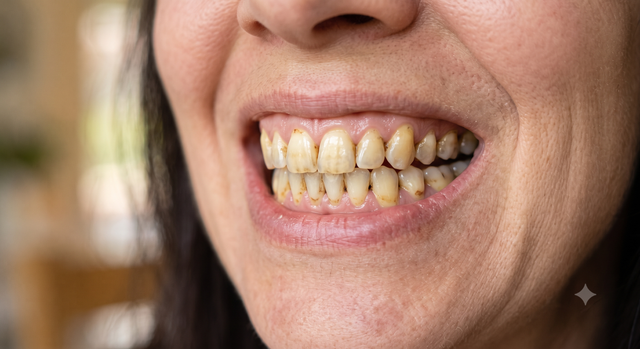
Teeth usually become yellow because pigmented foods and drinks stain the surface, plaque accumulates, tobacco is used, or enamel thins with age and reveals more of the yellowish dentin underneath. Medication, developmental enamel changes, decay and dental trauma can also alter tooth colour.
Why Do Teeth Turn Yellow? Common Causes and What to Do
Teeth may turn yellow because coffee, tea, cola, tobacco and other pigmented substances leave stains on the enamel. They can also look darker as enamel gradually becomes thinner and the naturally yellow dentin underneath shows through. In some cases, medication, enamel development, tooth decay, trauma or changes inside the tooth are responsible. The most appropriate solution therefore depends on the cause, not simply on using a stronger whitening product.
Direct Answer
Tooth yellowing is generally divided into external staining and internal discoloration. External stains form on the surface and may improve with professional cleaning and appropriate oral care. Internal discoloration develops within enamel or dentin and may require dentist-supervised whitening or another cosmetic or restorative approach.
Why Are Natural Teeth Not Pure White?
Healthy teeth are not always bright white. Enamel, the outer layer of a tooth, is partly translucent. The dentin beneath it is naturally cream to yellow in colour. Differences in enamel thickness, light reflection and dentin shade mean that normal tooth colour varies from one person to another.
A slightly yellow tone is therefore not automatically a sign of poor oral health. Extremely white smiles in advertising and social media may not represent the natural appearance of healthy enamel.
The Most Common Causes of Yellow Teeth
1. Coffee, tea and dark-coloured drinks
Coffee, black tea, cola, red wine and other deeply coloured drinks contain compounds that can attach to the enamel surface. Frequent exposure can make yellow or brown staining more visible over time.
It is not always necessary to avoid these drinks completely. Reducing how often they are consumed, drinking water afterwards and maintaining effective oral hygiene may help limit staining.
2. Tobacco use
Pigmented substances in cigarettes and other tobacco products can create stubborn surface stains. Tobacco is not only a cosmetic concern; it is also associated with gum disease and other oral health problems.
3. Plaque and tartar buildup
When plaque is not removed effectively, it accumulates on tooth surfaces. Plaque can harden into tartar, which may make teeth look more yellow, dull or uneven in colour. Tartar cannot be fully removed by brushing at home and usually requires professional cleaning.
4. Ageing and thinner enamel
Enamel can gradually wear and become more translucent with age. This makes the yellowish dentin underneath more visible. The change can occur even in people with good oral hygiene.
5. Enamel erosion
Frequent acidic foods and drinks, acid reflux and certain habits can contribute to enamel erosion. As enamel thins, dentin becomes more visible and teeth may appear yellower. Sensitivity, loss of surface shine or thinning edges may occur at the same time.
6. Medication and oral-care products
Some medicines taken while teeth are developing can cause permanent internal discoloration. Certain antiseptic mouth rinses may also create surface staining when used for long periods or without professional guidance. A prescribed medicine should never be stopped only because tooth colour has changed; discuss the concern with the prescriber and a dentist.
7. Fluorosis and developmental enamel changes
Excess fluoride exposure while teeth are developing can produce white, yellow or brown mottling. Developmental mineralisation conditions can also make a child’s teeth look cream, yellow or brown and may be associated with sensitivity or weaker enamel.
8. Decay, trauma or changes in the dental pulp
When one tooth becomes yellow, brown, grey or dark, the cause may be previous trauma, advanced decay or changes in the pulp tissue inside the tooth. A new colour change affecting only one tooth should not be treated as a cosmetic issue without an examination.
9. Fillings, crowns and other restorations
Fillings, crowns, veneers and implant restorations do not whiten in the same way as natural teeth. As natural teeth change shade, a colour mismatch may become more noticeable. Older metallic restorations can also create a darker appearance in some teeth.
External Stains Versus Internal Discoloration
External stains sit on the enamel surface and are commonly linked to coffee, tea, tobacco, plaque and coloured foods. Professional cleaning, polishing and suitable stain-control products may help.
Internal discoloration lies within enamel or dentin. Ageing, some medicines, fluorosis, trauma and developmental factors are examples. Cleaning alone may not be enough; dentist-supervised whitening, bonding, veneers or another treatment may be considered after diagnosis.
How Can Yellowing Be Reduced?
Brush gently twice a day with fluoride toothpaste, clean between the teeth and attend regular dental examinations. Drinking water after coffee or tea, avoiding tobacco and reducing frequent acidic drinks can also help limit new staining.
Abrasive powders, lemon, baking soda and unsupervised whitening products can irritate the gums, increase sensitivity or damage enamel. When teeth appear more yellow, identifying the reason is safer than immediately using a stronger product.
When Should You See a Dentist?
A dental assessment is important when:
- One tooth suddenly becomes darker,
- The colour change starts after a fall or impact,
- Pain, sensitivity, swelling or an unpleasant taste is present,
- A crack, cavity or loss of enamel is visible,
- A child has clear yellow-brown patches on newly erupted teeth,
- Discoloration persists despite appropriate home care.
How Dentselfy Approaches Tooth Discoloration
Photos shared through Dentselfy may help identify visible differences in shade and general smile features during an initial assessment. A photo cannot provide a definitive diagnosis. A dentist may need to examine the teeth and take X-rays to determine whether the colour change is related to surface stain, enamel structure, a restoration, decay or trauma.
The aim is not to recommend the same whitening procedure to everyone. Natural tooth shade, gum health, sensitivity and existing restorations should be considered together before suitable options are discussed.
Key Points
- A naturally mild yellow tone can be normal.
- Coffee, tea, tobacco and plaque are common causes of surface staining.
- Enamel becomes thinner with age, allowing more yellow dentin to show.
- Discoloration of one tooth may indicate trauma or a pulp problem.
- Different causes need different treatments.
- Teeth and gums should be assessed before whitening.
Frequently Asked Questions
Are yellow teeth unhealthy?
Not always. Healthy teeth can look slightly yellow because of natural dentin colour and enamel thickness. New, patchy or single-tooth discoloration should be checked.
Does professional cleaning whiten teeth?
Professional cleaning removes plaque, tartar and surface stains, so teeth may look cleaner and brighter. It does not change the natural internal colour of the tooth.
Will whitening change the colour of fillings and crowns?
No. Whitening agents mainly affect natural tooth tissue. Fillings, crowns, veneers and implant restorations generally remain the same colour.
Why do children sometimes have yellow teeth?
Adult teeth naturally look more yellow than baby teeth. Plaque, decay, trauma and developmental enamel conditions can also cause colour changes. Clear patches or sensitivity should be assessed by a dentist.
Related Questions
- How can coffee stains be removed from teeth?
- Does scaling and polishing change tooth colour?
- How long does teeth whitening last?
- What are the signs of enamel erosion?
- Can a tooth that darkened after trauma be treated?
- Is whitening possible for sensitive teeth?
Medical Information Note
This article provides general information. The cause of tooth discoloration cannot be confirmed from appearance alone. A dental examination is necessary for darkening of one tooth, pain, swelling, trauma or suspected decay.
Key takeaways
- Coffee, tea, cola, red wine and tobacco can create external stains on enamel.
- As enamel becomes thinner with age, the yellowish dentin underneath is easier to see.
- A single tooth that suddenly darkens may be linked to trauma, decay or pulp damage.
- Not every type of discoloration responds to the same whitening treatment.
- Consistent oral care and professional cleaning can help control surface staining.
Frequently asked questions
- Is it normal for healthy teeth to look slightly yellow?
- Yes. Natural tooth colour varies, and dentin has a naturally yellowish tone. When enamel is thin or translucent, this colour can be more noticeable.
- Can brushing remove all yellow discoloration?
- Brushing can reduce plaque and some surface stains, but it cannot fully remove discoloration that originates inside enamel or dentin.
- Should I brush immediately after coffee or tea?
- If the drink is acidic, the enamel surface may be temporarily softened. Rinsing with water first and waiting before brushing may be gentler. A dentist can give advice suited to your oral health.
- Is one yellow or grey tooth a concern?
- A newly discoloured single tooth should be assessed, especially after trauma or when pain, sensitivity or swelling is present.
- Do whitening toothpastes work for every type of yellowing?
- Whitening toothpastes mainly help remove external stains. Their effect is limited when the colour change comes from dentin or another internal cause.
- Is an examination needed before whitening?
- Yes. Decay, cracks, gum disease, sensitivity and existing fillings or crowns should be checked before whitening is considered.