
Why is dental floss important?
Dental floss helps clean plaque and food debris from areas a toothbrush may not fully reach. Used correctly, it supports gum health and helps control the risk of cavities between teeth.
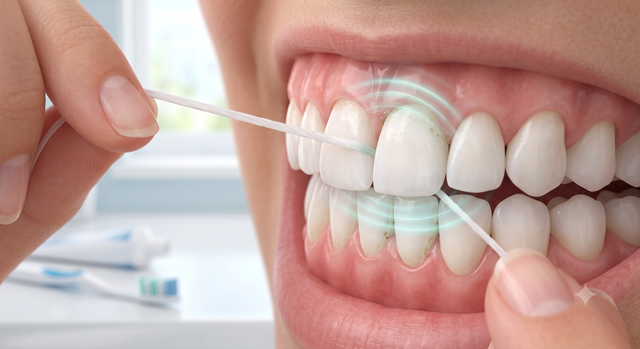
Dental floss is important because it helps remove plaque and food debris from tight spaces between teeth where a toothbrush may not reach well. When used gently and consistently, it can support healthier gums, fresher breath, and better control of cavities between teeth.
Why is dental floss important?
Dental floss is important because a toothbrush may not fully reach the tight spaces between teeth. Plaque, food debris, and bacteria can collect in these areas and may contribute to gum irritation, bad breath, and cavities between teeth. When used correctly and gently, floss completes daily brushing by cleaning areas that are easy to miss.
Direct answer
Dental floss is a simple tool for cleaning between teeth. Its value is strongest in the contact areas where two teeth touch. Toothbrush bristles can clean the outer, inner, and chewing surfaces well, but they often cannot slide into tight interdental spaces. Floss helps remove plaque from these areas and supports healthier gums.
Flossing should not be seen as a magic solution. It works best together with brushing twice daily with fluoride toothpaste, a balanced diet, and regular dental visits. In that sense, floss is not just an “extra step”; for many people, it is part of a complete oral care routine.
Why brushing alone may not be enough
A toothbrush is essential, but it has limits. The shape of the teeth, crowding, fillings, crowns, and the natural contact points between teeth can create narrow areas where plaque stays behind. These areas are also common places for cavities to begin because they are harder to see and harder to clean.
Plaque is soft at first. If it stays in place, it may harden into tartar, which cannot be removed fully at home. Professional cleaning may be needed once tartar forms. Flossing helps reduce this buildup before it becomes more difficult to manage.
How floss supports gum health
Gums are sensitive to plaque that remains along the gumline and between the teeth. When plaque is not removed regularly, the gums may become red, tender, swollen, or bleed during brushing and flossing.
Floss can help by cleaning the sides of the teeth just under the contact point and near the gumline. Technique is important. Snapping the floss down sharply can irritate the gum tissue. A gentler approach is to guide the floss between the teeth, curve it around the side of one tooth in a C shape, and move it carefully up and down.
Can flossing help with bad breath?
Bad breath can have several causes, including tongue coating, gum disease, cavities, dry mouth, certain foods, smoking, and some health conditions. Still, food debris and plaque trapped between teeth can make breath less fresh.
Flossing may help when odor is related to buildup between teeth. It is especially useful when a person brushes regularly but still feels that the mouth does not stay fresh. If bad breath continues despite brushing, tongue cleaning, flossing, and hydration, a dental evaluation is important.
Does floss reduce cavity risk?
Cavities between teeth can be difficult to notice early. They often develop where two teeth touch, and these surfaces are not always cleaned well by brushing alone. Flossing helps reduce plaque in these contact areas, which can support better control of cavity risk.
However, cavities are influenced by more than flossing. Sugar frequency, fluoride exposure, saliva flow, dry mouth, enamel strength, and dental check-up habits all matter. Floss should be viewed as one part of prevention, not a guarantee.
What if gums bleed when flossing?
Some people notice bleeding when they first start flossing. This may happen when the gums are already inflamed or when the floss is used too forcefully. Mild bleeding may improve as plaque control gets better, but it should not be ignored if it continues.
If bleeding is heavy, persistent, painful, or accompanied by swelling, bad taste, or loose teeth, a dentist should check the gums. Stopping all interdental cleaning may allow plaque to remain in place, so the safer approach is usually to improve the technique and seek guidance.
Floss, interdental brushes, or water flossers?
There is no single best tool for every mouth. Traditional floss may work well for tight contacts. Interdental brushes can be better for wider spaces, gum recession, bridges, or some periodontal situations. A water flosser may be helpful for braces, implants, or people who find string floss difficult to handle.
The right choice depends on tooth spacing, gum health, dental restorations, orthodontic appliances, and personal comfort. A dentist or dental hygienist can help select the safest and most effective option.
When should you see a dentist?
You should ask a dentist if floss shreds repeatedly, gets stuck, smells unpleasant after use, causes regular bleeding, or if there is swelling, pain, sensitivity, or persistent bad breath. Floss catching in the same area can sometimes suggest a rough filling edge, tartar, or decay.
Children, people with braces, patients with implants, and anyone with a history of gum disease may need a more specific interdental cleaning plan.
How Dentselfy approaches this question
At Dentselfy, oral care is not reduced to a single habit. Flossing is considered alongside gum appearance, tooth spacing, existing restorations, sensitivity, aesthetic goals, and the person’s daily routine. A photo or selfie-based initial assessment can help identify which concerns may need a dentist’s attention.
This does not replace a clinical diagnosis. It can, however, make the next dental visit more focused, calm, and informed.
Key points
- Floss helps clean between teeth where brushing may miss plaque.
- Technique matters as much as consistency.
- Ongoing bleeding should be assessed, not ignored.
- Some people need interdental brushes or water flossers instead.
- Floss works best as part of a full oral hygiene routine.
Frequently asked questions
Should I floss every day?
Daily interdental cleaning is useful for many people. The best tool and frequency may vary depending on gum health, tooth spacing, and dental restorations.
Should I floss before or after brushing?
Consistency and technique are more important than the exact order. Some people prefer flossing before brushing because it loosens debris first; others prefer after brushing. Your dentist can guide you.
Can flossing create gaps between teeth?
Correct flossing does not create gaps between teeth. If you notice spaces getting larger, gum recession or periodontal changes should be checked by a dentist.
Can flossing completely remove bad breath?
Not always. Flossing can help when odor comes from trapped debris between teeth, but persistent bad breath may have other causes and should be evaluated.
Can people with braces floss?
Yes, but they may need orthodontic floss threaders, special floss, interdental brushes, or a water flosser. The best method depends on the appliance and the patient’s needs.
Related questions
How do you use dental floss correctly? Why do gums bleed during flossing? Are interdental brushes better than floss? Does a water flosser replace floss? When should children start flossing?
Medical information note
This article provides general information only. Your gum health, cavity risk, tooth spacing, and existing dental work may require a personalized plan. A dental examination is needed for diagnosis and individual advice.
Key takeaways
- A toothbrush cannot always clean tight spaces between teeth.
- Floss helps reduce plaque buildup in interdental areas.
- Gentle technique matters; aggressive flossing can irritate the gums.
- Bleeding that continues should be checked by a dentist.
- Some people may need interdental brushes or a water flosser instead of, or alongside, string floss.
Frequently asked questions
- Is dental floss really necessary?
- For many people, cleaning between the teeth is an important part of oral hygiene. Floss helps reach narrow areas where toothbrush bristles may not clean effectively.
- Does flossing prevent cavities?
- Flossing does not guarantee cavity prevention on its own, but it can help reduce plaque between teeth and support better control of interdental cavity risk.
- Is bleeding normal when I start flossing?
- Mild bleeding can happen at first, especially if the gums are inflamed or sensitive. If bleeding continues despite gentle technique, a dental check-up is recommended.
- Can children use dental floss?
- Children may need interdental cleaning once teeth begin touching each other, but they usually need help from a parent and guidance from a dentist.
- Can a water flosser replace string floss?
- A water flosser can be helpful for some people, especially with braces, implants, or dexterity issues. The best option depends on tooth spacing and gum condition.