
Gum Health During Pregnancy: Managing Bleeding and Sensitivity
Hormonal changes during pregnancy can make the gums more reactive to dental plaque. Consistent home care, professional assessment and timely treatment can help control bleeding, swelling and tenderness.
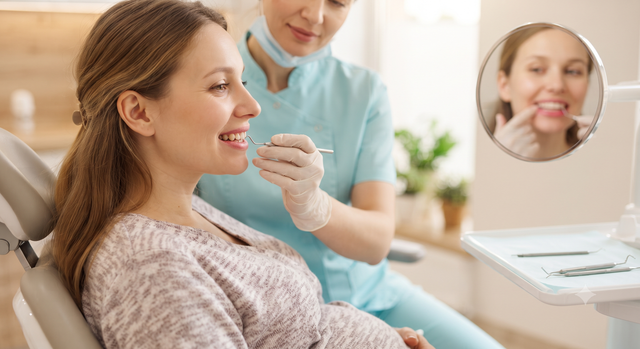
Pregnancy hormones can increase the gums’ inflammatory response to plaque, leading to redness, swelling and bleeding during brushing. Brush twice daily with fluoride toothpaste and a soft brush, clean between the teeth every day, and seek dental care if bleeding persists.
Gum Health During Pregnancy: Managing Bleeding and Sensitivity
Gums may bleed more easily, look red or feel swollen during pregnancy. This often happens because pregnancy hormones intensify the way gum tissue responds to bacteria in dental plaque. Bleeding should not simply be dismissed as an unavoidable part of pregnancy. Gentle, consistent oral hygiene and timely dental assessment can help prevent pregnancy gingivitis from progressing.
Direct Answer
To protect gum health during pregnancy, brush twice a day for two minutes with fluoride toothpaste and a soft-bristled toothbrush. Clean between the teeth daily, do not stop brushing because of bleeding, and arrange a dental visit if redness, swelling or bleeding continues. Preventive, necessary and emergency dental care can be planned throughout pregnancy according to clinical need.
Why Do Gums Change During Pregnancy?
Changes in estrogen and progesterone can make gum tissue more sensitive to plaque. The same amount of plaque that caused little irritation before pregnancy may produce more redness, swelling and bleeding during pregnancy.
Nausea, vomiting, frequent snacking, dry mouth and fatigue can also make oral care more difficult. Hormones are therefore only part of the picture. Effective plaque control remains the most important factor that can be changed at home.
Signs of Pregnancy Gingivitis
Common signs include:
- Bleeding during brushing or interdental cleaning
- Red, shiny or swollen gums
- Tenderness around the gumline
- Persistent bad breath or an unpleasant taste
- Visible plaque or tartar along the gum margins
Occasionally, a localized red lump that bleeds easily can develop on the gums. Sometimes called a pregnancy tumor, this is often benign, but it must be examined by a dentist rather than diagnosed from appearance alone.
Should You Keep Brushing When the Gums Bleed?
Yes, in most cases. Avoiding a bleeding area allows plaque to remain in place and may increase inflammation. The goal is not to brush harder, but to clean more gently and consistently.
Use a soft-bristled toothbrush, position it carefully at the gumline and make small controlled movements. Do not scrub. If the bristles spread outward quickly, you may be using too much pressure.
A Practical Daily Care Routine
Brush twice daily with fluoride toothpaste
Brush in the morning and before bed for at least two minutes. Fluoride toothpaste helps protect against tooth decay. If strong flavors worsen nausea, a milder toothpaste may be easier to tolerate; discuss product choices with your dentist if needed.
Clean between the teeth every day
A toothbrush cannot fully clean the contact areas between teeth. Use floss, interdental brushes or another method recommended for your mouth. Daily interdental cleaning is especially important when the gums are inflamed.
Reduce frequent sugary snacks
Pregnancy can change appetite and meal patterns. Repeated exposure to sugary or sticky foods throughout the day increases the risk of decay. When possible, keep sweet foods to mealtimes and drink water between meals.
Avoid tobacco products
Tobacco increases the risk of gum disease and is harmful during pregnancy. Ask an obstetric care professional or another qualified clinician for appropriate quitting support.
Oral Care After Nausea and Vomiting
Stomach acid can temporarily soften the outer tooth surface. Instead of brushing hard immediately after vomiting, rinse the mouth with water. A dentist may also recommend a neutralizing rinse made with one teaspoon of baking soda in a glass of water; it should be swished and spat out, not swallowed.
Wait before brushing, then clean gently. If vomiting is frequent, tell both your obstetric care professional and your dentist so that enamel protection and hydration can be considered.
Is Dental Care Safe During Pregnancy?
Yes. Preventive, diagnostic, restorative and emergency dental care can be provided during pregnancy when needed. Delaying pain, infection or active gum disease until after delivery can sometimes make treatment more complicated.
Tell your dentist:
- Your gestational week and expected due date
- Whether the pregnancy is considered high risk
- All medications and supplements you take
- Any special advice from your obstetric care professional
- Whether you have frequent vomiting, reflux, unusual bleeding or other health concerns
Medication, local anesthesia and imaging decisions are made according to individual clinical need. For a high-risk pregnancy, the dental and obstetric teams may coordinate care.
Can Gum Disease Affect Pregnancy?
Research has found associations between periodontitis and outcomes such as preterm birth or low birth weight. An association does not prove that gum disease directly causes these outcomes, and the relationship is still being studied. What is clear is that treating active gum disease improves the mother’s oral health, and necessary periodontal treatment can be provided during pregnancy.
The aim is not to create fear. It is to identify inflammation early and prevent avoidable progression.
When Should You See a Dentist?
Arrange a dental assessment if you notice:
- Bleeding that continues or repeatedly returns
- Marked swelling, pain or persistent bad breath
- Pus, fever or swelling of the face
- A loose tooth or pain when biting
- A mouth growth that enlarges or bleeds easily
- Tooth pain that wakes you at night
Rapid facial swelling or difficulty breathing or swallowing requires urgent medical and dental assessment.
How Dentselfy Approaches the Process
A photo-based initial assessment through Dentselfy may help identify visible changes such as gum redness, obvious swelling or plaque accumulation. It cannot measure gum pockets, evaluate bone support or confirm a diagnosis.
The purpose is to reduce uncertainty and help you prepare for an appropriate dentist-led evaluation. A final assessment during pregnancy still requires clinical examination and, when indicated, additional tests.
Key Takeaways
- Pregnancy hormones can make gum tissue more reactive to plaque.
- Do not stop brushing because the gums bleed; use gentler technique instead.
- Brush twice daily with fluoride toothpaste and clean between the teeth every day.
- Rinse after vomiting and avoid immediate vigorous brushing.
- Dental checkups and clinically needed treatment can be planned throughout pregnancy.
Frequently Asked Questions
When can bleeding gums begin in pregnancy?
They may begin at any stage and can become more noticeable as hormonal changes progress. Timing and severity vary from person to person.
Can I use mouthwash during pregnancy?
Not every product is the same. Brushing and interdental cleaning remain the foundation. Ask a dentist before using a prescription or antiseptic rinse.
Does pregnancy itself cause gum recession?
Pregnancy is not the only explanation for recession. Aggressive brushing, periodontitis, tartar and anatomical factors may contribute, so the cause should be assessed clinically.
Is a postpartum dental check still necessary?
Yes. Symptoms may improve after delivery, but plaque, tartar or periodontitis can remain. A postpartum review is particularly helpful if you had bleeding or swelling during pregnancy.
Related Questions
- Which trimester is best for a dental cleaning?
- How is toothache assessed during pregnancy?
- Can repeated vomiting damage tooth enamel?
- Is dental treatment possible while breastfeeding?
- Why does dry mouth occur during pregnancy?
- What is the difference between gingivitis and periodontitis?
Medical Information Note
This content is for general education. Your pregnancy history, medication use and oral findings need to be considered together. A dentist must examine you to provide a diagnosis and treatment plan.
Key takeaways
- Bleeding gums are common in pregnancy but should not be ignored.
- Continue brushing gently with a soft-bristled toothbrush.
- Clean between the teeth once a day using an appropriate method.
- Routine and urgent dental care can be provided during pregnancy when clinically needed.
- Prompt assessment is important for severe swelling, pain, pus, fever or loose teeth.
Frequently asked questions
- Are bleeding gums normal during pregnancy?
- They are common because hormonal changes can make gum tissue more reactive to plaque. Persistent or heavy bleeding should still be assessed for gingivitis, tartar buildup or periodontitis.
- Should I stop brushing if my gums bleed?
- Usually not. Continue with a soft brush, light pressure and careful technique. Avoiding the bleeding area can allow more plaque to accumulate and may worsen inflammation.
- Is a dental cleaning safe during pregnancy?
- Professional cleaning and periodontal care can be performed during pregnancy when your dentist considers them necessary. Tell the dental team your gestational week, medications and whether the pregnancy is high risk.
- Can dental X-rays be taken during pregnancy?
- When clinically necessary, modern dental imaging can be used during pregnancy. The dentist will decide based on need, and you should always share that you are pregnant.
- Should I brush immediately after vomiting?
- Stomach acid temporarily softens the tooth surface, so immediate vigorous brushing is not ideal. Rinse first with water or a dentist-recommended neutralizing rinse, then wait before brushing gently.
- Will pregnancy gingivitis disappear after delivery?
- Symptoms may improve as hormone levels change, but plaque, tartar or periodontitis will not necessarily resolve on their own. A postpartum dental review is useful.